On the road to sustainable palm oil production in Cameroon
Aerial view of a forest area with oil palm in SW Cameroon. Photo by Mokhamad Edliadi/CIFOR. Although Cameroon, the largest palm oil producer in Central Africa, produced more than 450,000 tons in 2020, it still imports about 60,000 tons a year
Optimization Methods for the Extraction of Vegetable Oils:
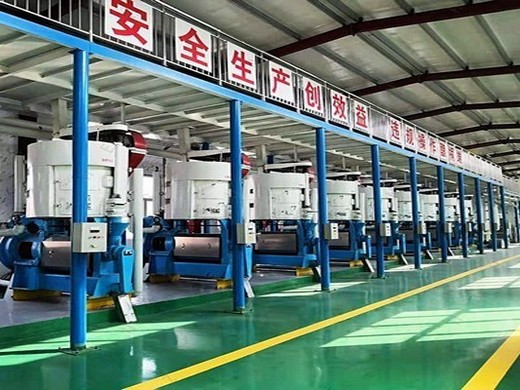
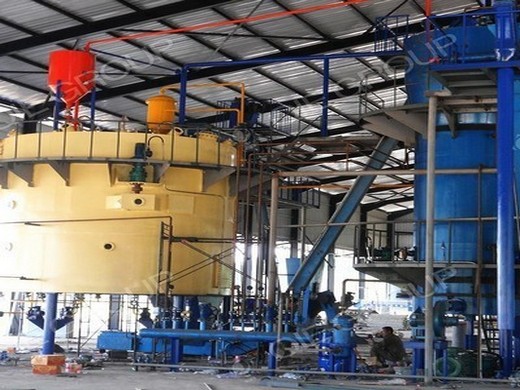
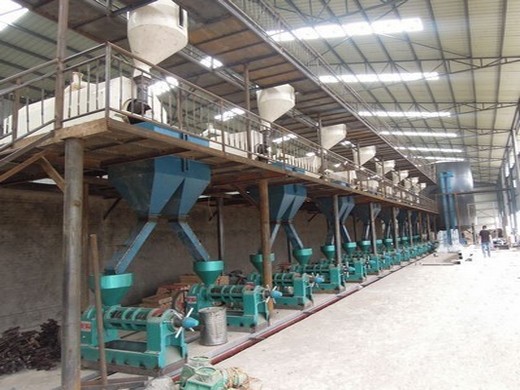
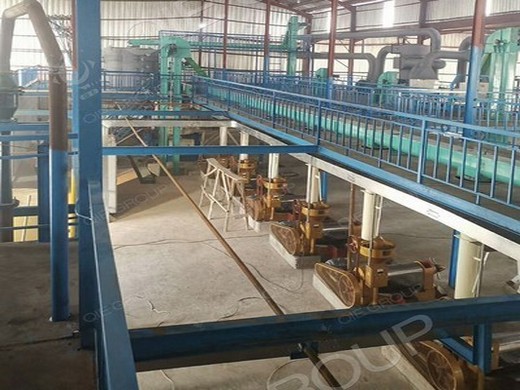
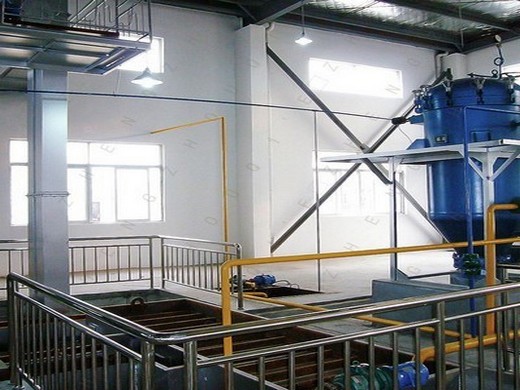
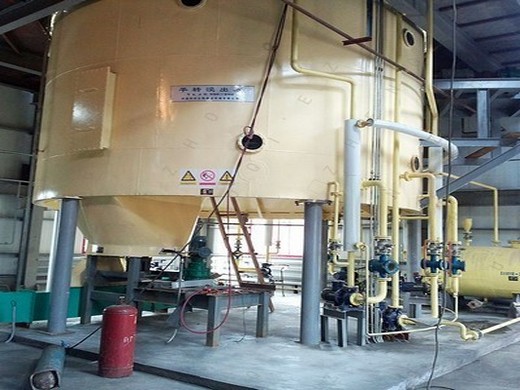
The three major steps involved in solvent extraction are oilseed cleaning and conditioning, oil extraction, and separation of the miscella. Crude oil and meal quality depend mostly on type of solvent used, reaction temperature, and type of pretreatment given to the oilseed [ 25, 26 ].
On the road to sustainable palm oil production in Cameroon
Aerial view of a forest area with oil palm in SW Cameroon. Photo by Mokhamad Edliadi/CIFOR. Although Cameroon, the largest palm oil producer in Central
Oil Palm Development in Cameroon - Panda
Palm oil, with an annual global production of 50 million tons, equating to 39% of world production of vegetable oils, has become the most important vegetable oil globally, greatly exceeding soybean, rapeseed and sunflower (USDA,2011). More than 14 million hectares of oil palm have been planted across the tropics. Palm oil is a highly
Oil Palm Development in Cameroon
approximately 80,000 tons of palm oil 4). The Government of Cameroon’s Rural Sector Development Plan proposes an increase in palm oil production to 300,000 tons in 2015
Vegetable oil production - Our World in Data
Charts. Daily meat consumption per person. Daily per capita fat supply. Daily per capita fat supply vs. GDP per capita. Daily per capita protein supply. Daily per capita protein supply vs. GDP per capita. Daily per capita supply of calories vs. GDP per capita.
Sustainable palm in Cameroon ZSL
Up to 20 million hectares of new oil palm plantations could be established in this region over the next decade. In Cameroon’s forested zone alone, over 1 million
Edible oil refining process systems | Alfa Laval
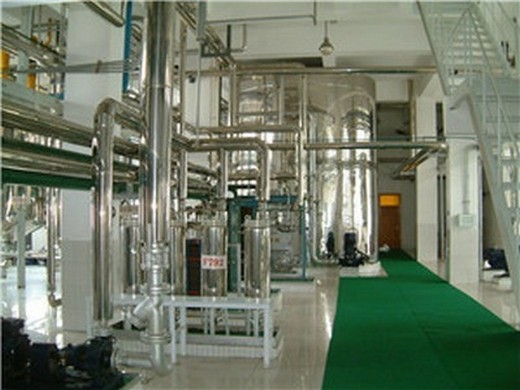
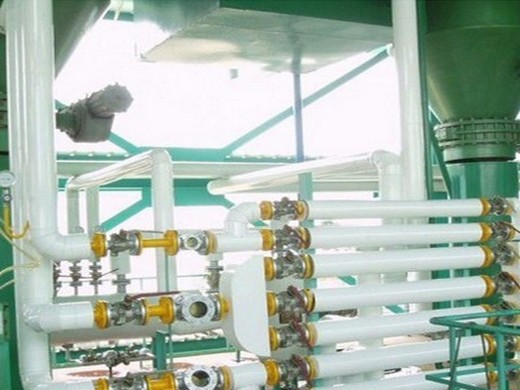
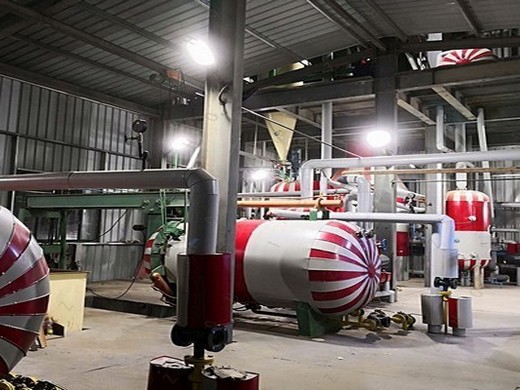
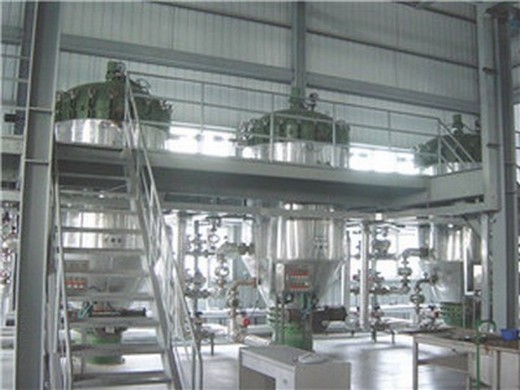
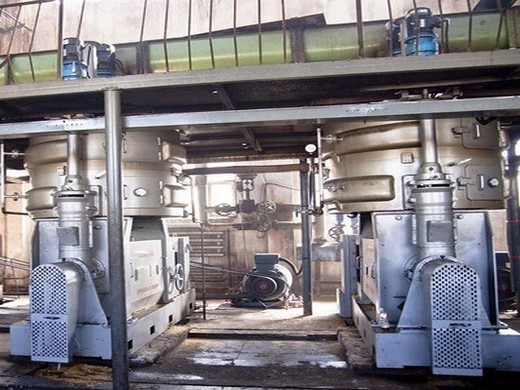
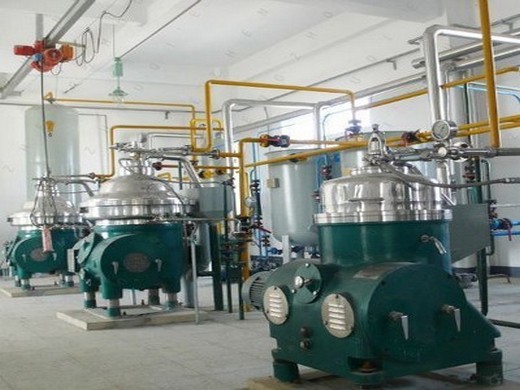
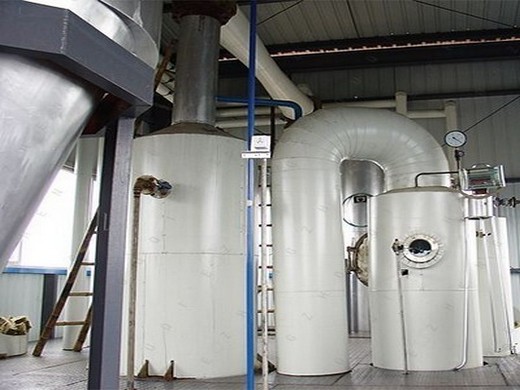
Edible oil refining process systems. Refining crude oil into edible oil requires deep process knowledge攆rom degumming, neutralization and dewaxing through to bleaching, deodorizing and GE and 3-MCPD mitigation. Edible oil producers worldwide rely on Alfa Laval know-how to remove impurities and volatile components and optimize refining processes.
Vegetable oil production Our World in Data
Charts. Daily meat consumption per person. Daily per capita fat supply. Daily per capita fat supply vs. GDP per capita. Daily per capita protein supply. Daily per capita protein supply
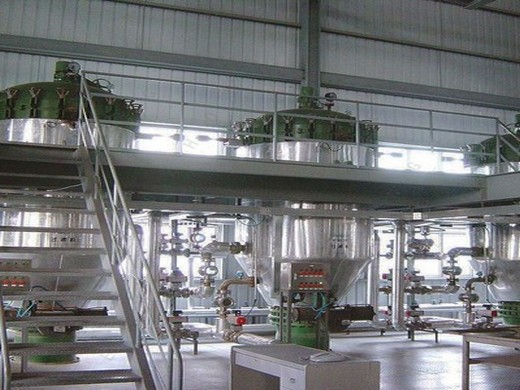
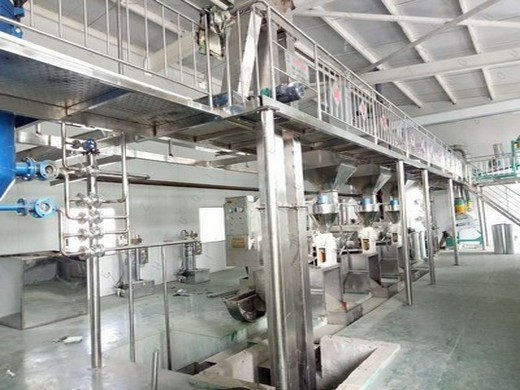
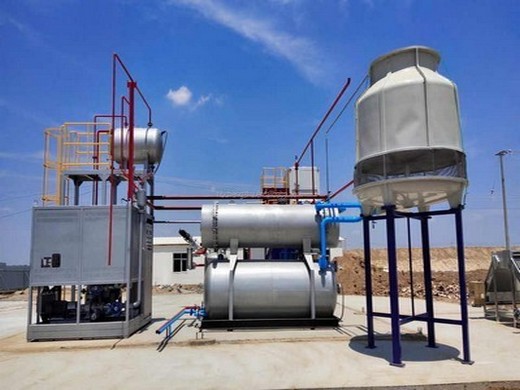
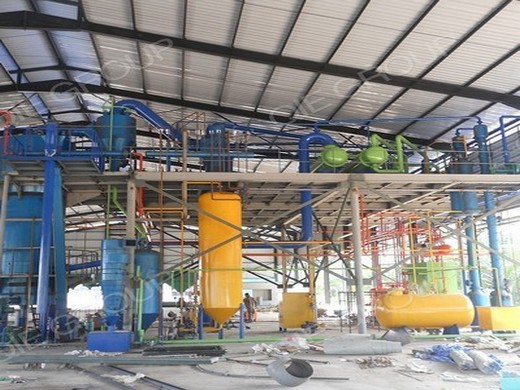
Small Edible Oil Refinery Plant
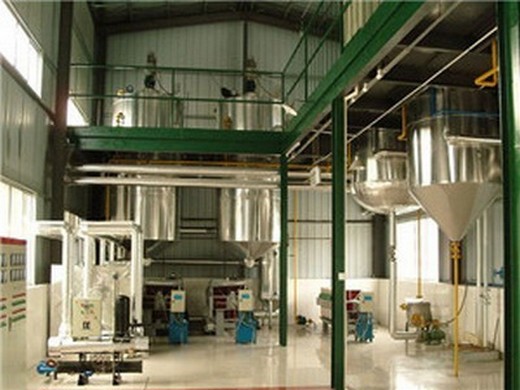
This small vegetable oil refinery plant is suitable to be used indoor and outdoor. Easy Operation: After receiving the equipment, you just need to get ready of the electric, water and other necessary materials for oil refining such as coal or firewood, caustic soda and white clay. Then, you can start your oil production.