Current trends and next generation of future edible oils
Commercial plant germ oil is mainly taken from cereal grain like corn, wheat, and rice bran oil, etc. The germ represents 2%–3% of the grain (corn germ
Processing Edible Oils - Penn State Extension
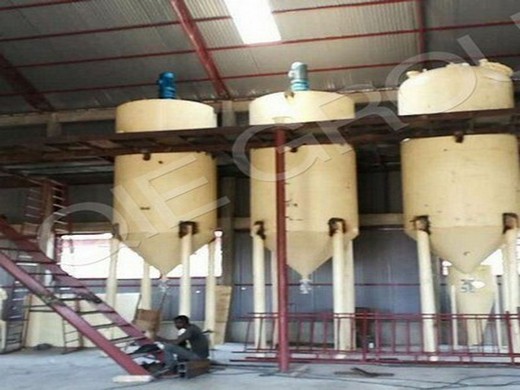
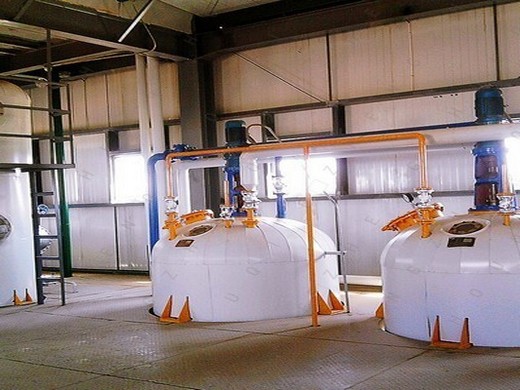
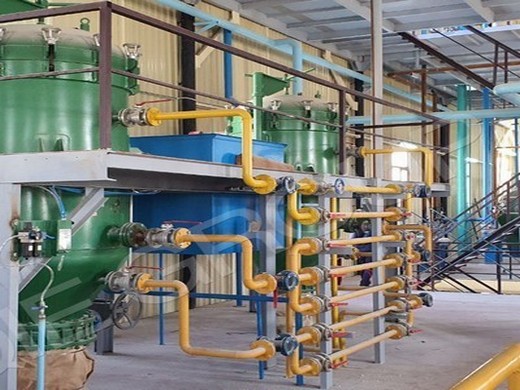
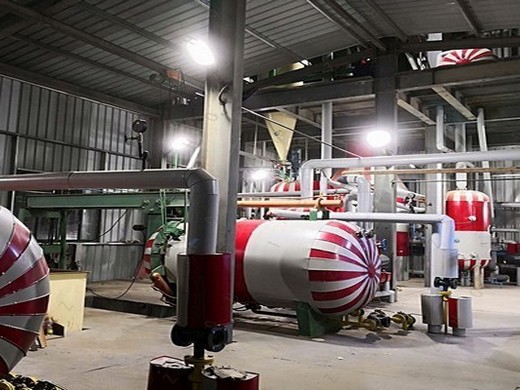
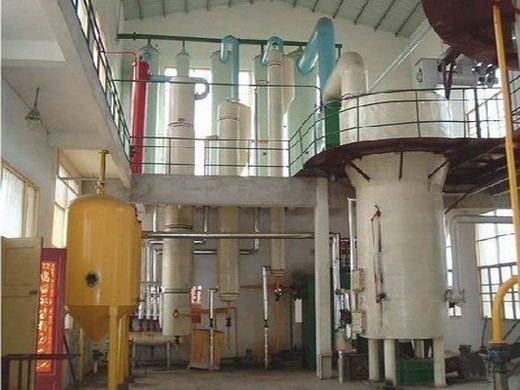
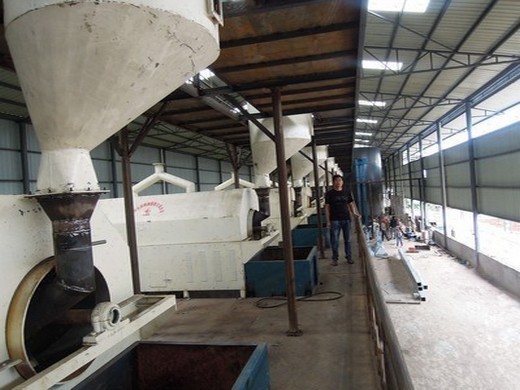
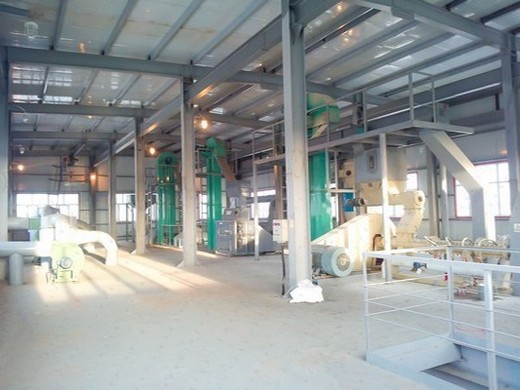
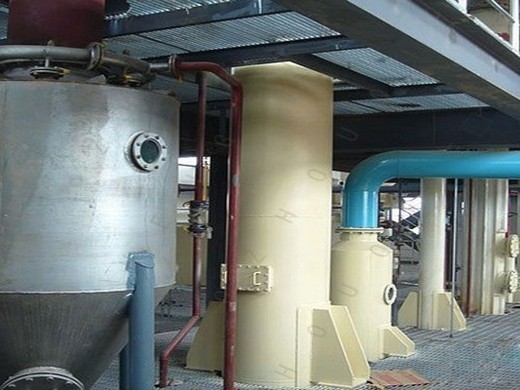
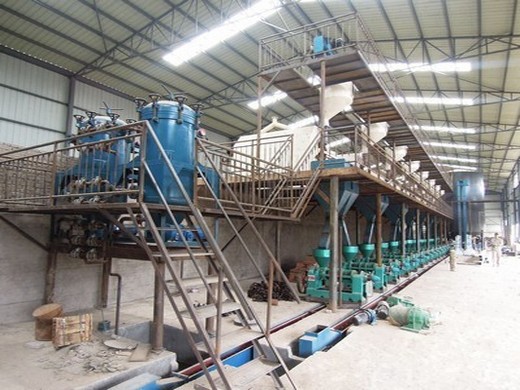
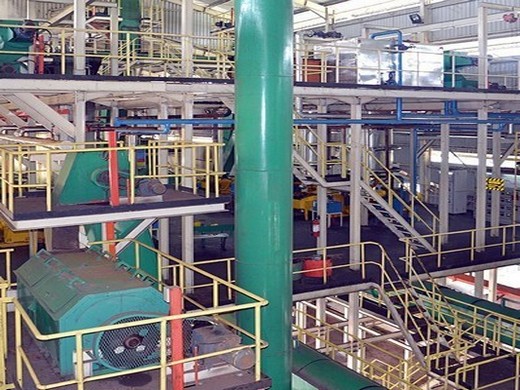
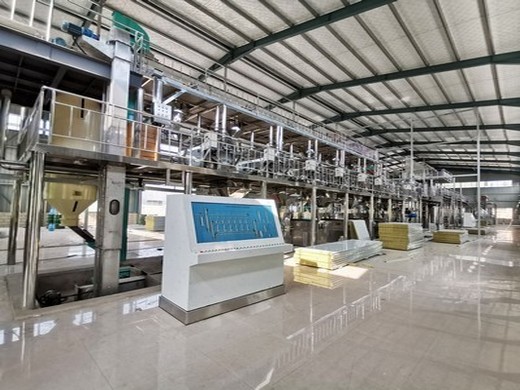
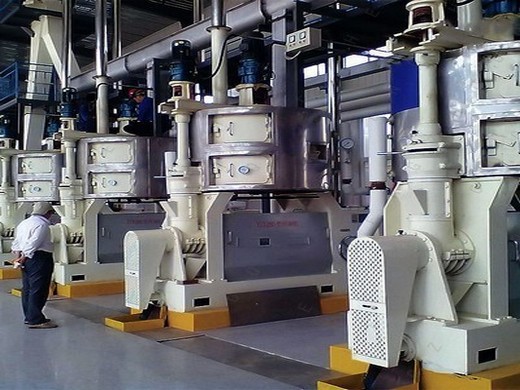
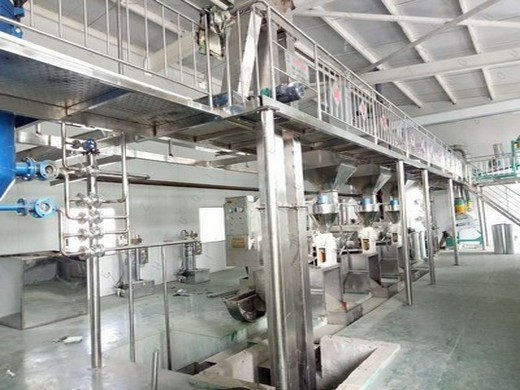
In a typical edible oil processing plant oil is extracted from the seed first using mechanical extraction (expeller press) followed by chemical extraction (hexane extraction). By using both methods less than 1% of the oil is left in the meal that is produced. The majority of this meal is sold for use in animal feed rations. Components of Edible Oil

Chapter 5 : Processing and refining edible oils Food
In groundnut oil extraction, salt is usually added to coagulate the protein and enhance oil separation. A large rotating pestle in a fixed mortar system can be powered by motor,
Current trends and next generation of future edible oils
Edible oils Current trends Underutilized oil sources Future prospects 1. Introduction Since 2000, global edible oil production has increased threefold, in 2000?1 global vegetable oil production was 90.5 MMT, which was projected to be increased to 207.5 MMT for 2019?0 ( Shikha, 2020 ).
Processing Edible Oils
In a typical edible oil processing plant oil is extracted from the seed first using mechanical extraction (expeller press) followed by chemical extraction (hexane
Solvent Extraction - AOCS
In Figure 2, it is worth noting that a plant to process rapeseed with pre-pressing followed by extraction will often reduce the oil content from about 40% to 20% in the presses and from 20% to 0.8% in extraction, and that (after adjustments for moisture changes during the process) the press oil produced may be roughly 25.8% of the raw seed, while
(PDF) Edible oil
Abstract. Edible oils are known as cooking oils, which are mostly extracted from plants and animals. These serve as fat-soluble transporters. Sunflower
Edible Oil Extraction Methods - Food Grade Solvents
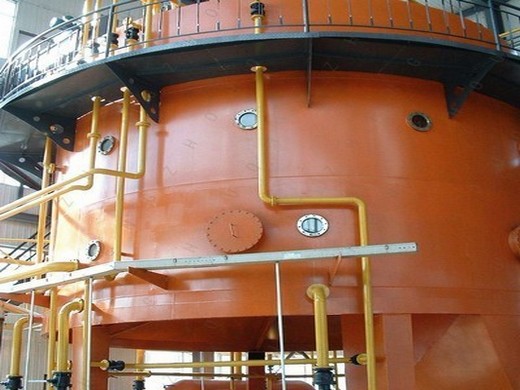
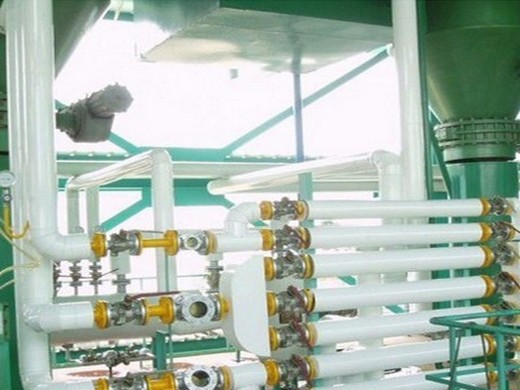
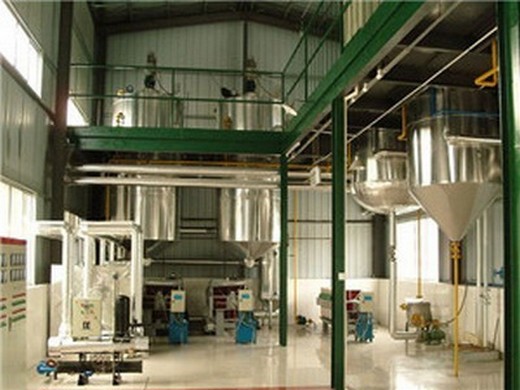
One of the most efficient edible oil extraction methods is solvent extraction. In this extraction process the plant or fat that you are extracting oil from is soaked in a solvent. The combination of heat and the extraction solvents are able to separate and pull oil from the organic material. Once the oil has separated from the extractable
A review on non-edible oil as a potential feedstock
There is increasing concern regarding alleviating world energy demand by determining an alternative to petroleum-derived fuels due to the rapid depletion of fossil fuels, rapid
EDIBLE OIL PRODUCTION PROCESS
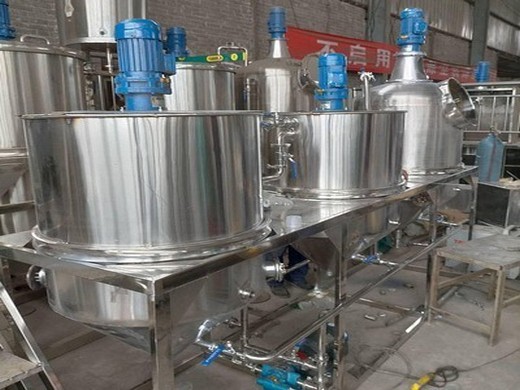
Edible Oil is produced with four steps to be Preparation, Pressing, Extraction and Refining. All of the detailed process stages are as follows: PREPARATION PROCESS It includes processing of seed prior to extraction. At this stage, shells of seeds are broken, and the fat-free parts are sieved with special sieve machine.